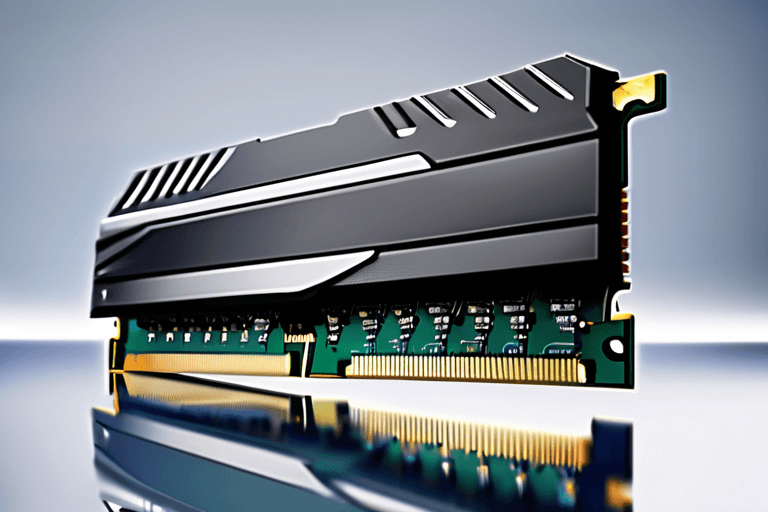
The surge in RAM prices, driven by the escalating demands of data centers supporting the artificial intelligence boom, is expected to indirectly temper the industry's focus on "AI PCs." According to a recent report by Ars Technica, the increased demand for RAM and flash memory chips has led to a shortage, causing prices to skyrocket. Ben Yeh, principal analyst at technology research firm Omdia, stated in an announcement that mainstream PC memory and storage costs rose by 40 to 70 percent in 2025, with these cost increases being passed on to consumers.
This RAM shortage presents a complex scenario for the PC market. While global PC shipments saw growth in 2025, with Omdia estimating a 9.2 percent increase compared to 2024 and IDC reporting a 9.6 percent rise, analysts anticipate greater instability in PC sales for 2026. Jean Philippe Bouchard, research VP with IDC's worldwide mobile device trackers, noted that the coming year is shaping up to be extremely volatile. Both Omdia and IDC expect PC manufacturers to actively manage the RAM shortage.
The increased cost of RAM could shift the industry's attention away from aggressively marketing "AI PCs," which are personal computers equipped with hardware and software designed to accelerate AI tasks locally. These tasks can range from image and video processing to natural language processing and machine learning inference. The core concept behind AI PCs is to bring AI processing closer to the user, reducing latency and improving privacy by minimizing reliance on cloud-based AI services. However, the higher cost of memory, a critical component for AI-related workloads, may force manufacturers to prioritize cost-effectiveness over advanced AI capabilities in their PC offerings.
The implications of this shift extend beyond the consumer market. The development and adoption of AI PCs are seen by some as a crucial step towards democratizing access to AI technology. By enabling individuals and small businesses to run AI applications on their local machines, AI PCs could foster innovation and reduce dependence on large tech companies that control cloud-based AI infrastructure. A slowdown in the adoption of AI PCs could therefore hinder the broader dissemination of AI capabilities and potentially exacerbate existing inequalities in access to technology.
The current RAM shortage highlights the interconnectedness of the technology industry and the far-reaching consequences of the AI boom. As data centers continue to expand to meet the growing demand for AI services, the resulting strain on component supply chains is impacting various sectors, including the PC market. The situation underscores the need for strategic resource management and diversification of supply chains to mitigate future disruptions and ensure equitable access to essential technologies. The coming months will be crucial in determining how PC manufacturers adapt to the RAM shortage and whether the focus on "AI PCs" will remain a central theme in the industry's narrative.



















Discussion
Join the conversation
Be the first to comment